
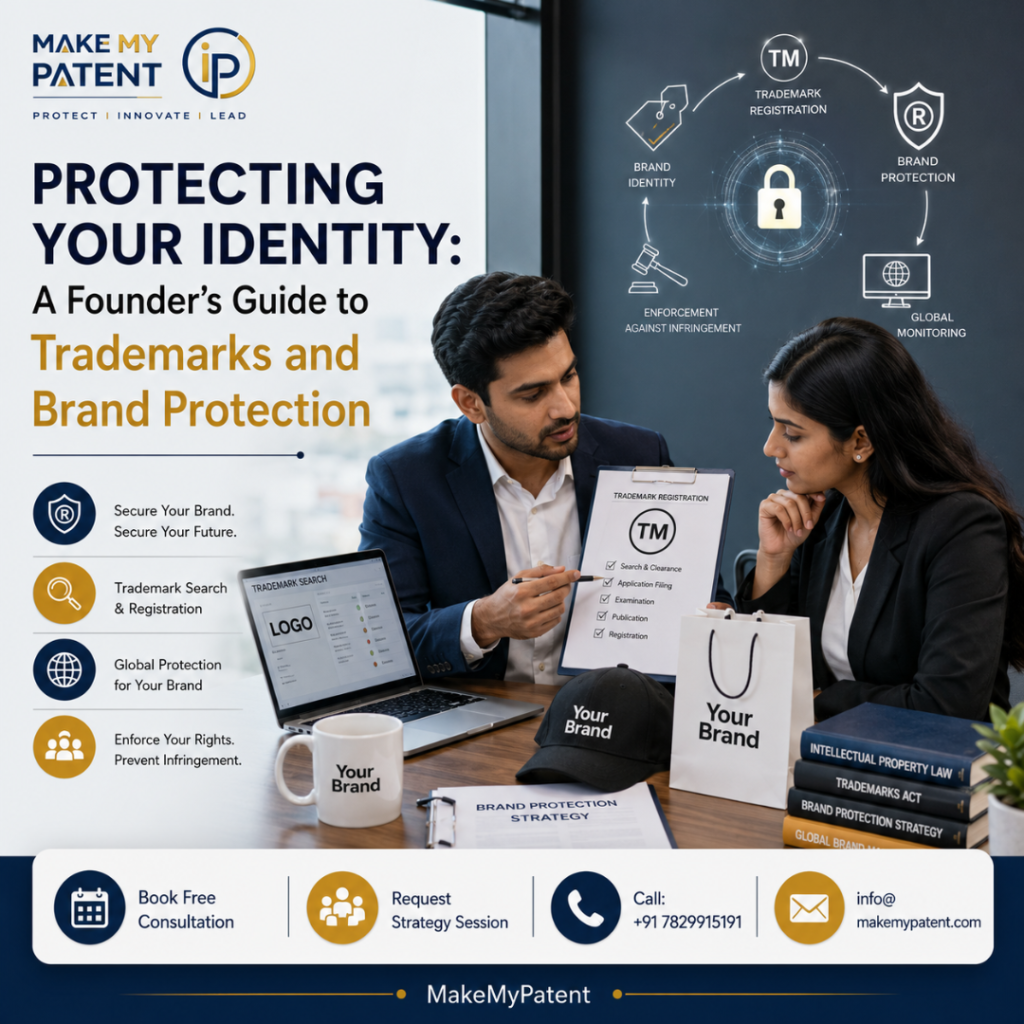
You have built a wonderful product, worked through the nuances of utility patents, and locked down your worldwide filing strategy. Your technology is safe. But while you’re preparing to scale, a new vulnerability emerges: your brand identity.
In the early days of a firm, founders typically treat the name as an afterthought—a fast brainstorming session followed by a rush to buy an available .com domain. But when your firm expands, the name on the box can frequently become as significant as the technology inside it. Great technology is funded by investors but purchased by customers as trusted brands. Establishing this level of trust is critical; it is the exact same reason individuals seek out established, highly-regarded institutions like Regal Hospital for specialized care. Reputation matters.
If you don’t adequately secure your brand identity, the implications can be disastrous, ranging from forced rebranding initiatives to catastrophic trademark infringement litigation. Here’s what every creator needs to know about trademarking your company name, logos, and product lines.
The Great Domain Name Myth
One of the most popular and hazardous myths in the startup sector is that buying a domain name, registering an LLC, or setting up a social media account guarantees you legal ownership of a brand name. It doesn’t.
You can register the domain QuantumRouting.com and even register a corporation called Quantum Routing LLC. Still, if another business has a registered trademark for “Quantum Routing” in the software field, they can sue you to take away your domain, force you to change your company name, and make you pay damages for infringement.
A domain name is simply a street address in cyberspace; a trademark is the deed to the property. Register your name, phrase, or logo with the United States Patent and Trademark Office (USPTO) or your regional equivalent to acquire exclusive commercial rights to it across the country.
The Uniqueness Spectrum
Not all names are equal in the eyes of the law. Trademarks are awarded on the basis of their degree of “distinctiveness”. The trademark office will reject a name if it is too generic, because no one corporation should be allowed to monopolize everyday terminology.
When brainstorming names, you must grasp the trademark spectrum, ranging from entirely unprotected to highly protectable:
- Generic (Unprotectable): You can’t trademark the name “Bicycle” for a firm that sells bicycles.
- Descriptive (Weak): Names that only describe the product or its attributes (e.g., “Fast Computers”, “Cold Ice Cream”). They are notoriously hard to protect unless you can show you spent years building up huge public notoriety.
- Suggestive (Moderate to Strong): Names that indicate what the product does, but require a bit of imagination (e.g., Netflix implies movies over the internet; Airbus suggests buses that fly).
- Arbitrary (Strong): Real words used in an entirely different context. The classic example is Apple for personal computers.
- Fanciful / Coined (Strongest): Totally made-up words with no previous dictionary meaning (e.g., Exxon, Kodak, Google). These words are the easiest to trademark and the easiest to defend in court because they didn’t exist until the founder coined them.
💡 The Strategy: Don’t fall into the trap of naming your company exactly what it does. Aim for Suggestive, Arbitrary, or Fanciful names to create a powerful, easily defended IP moat.
The Forced Rebrand Disaster
Think of investing two years and hundreds of thousands of dollars into creating a brand. You’ve printed packaging, run marketing campaigns, and acquired thousands of devoted users. Then, a certified letter arrives: a Cease and Desist (C&D) from a legacy corporation claiming your startup’s name infringes on their trademark.
If they win, it’s not just about losing the lawsuit; it’s about losing your entire brand equity overnight. You will have to wipe out your inventory, change your name, and start your marketing entirely from scratch.
To avoid this horror, a full Trademark Clearance Search must be done before you lock down a name. This is far more than a simple Google search. An IP attorney will check federal databases, state registries, and common law usage to confirm that your selected name does not clash with a pre-existing mark in a similar industrial class.
Filing Early: The Intent to Use Application
Many founders wait to file a trademark until their product actually launches. This is a tactical error. The trademark system operates on either a “first-to-file” or “first-to-use” basis, depending on the jurisdiction.
If you have a wonderful name but your product is still six months away from launch, you do not need to wait. You can file an Intent to Use (ITU) application with the USPTO. This allows you to legally reserve the name while you continue development. Once you launch the goods and can show “use in commerce,” the trademark is completely vested, but your priority date is set back to the day you originally filed the ITU.
Keeping the Visual Identity
Although registering your standard character mark (the text of your name itself) should be your number one concern, brand protection does not stop there. As your startup evolves, you should be strategic about trademarking:
- The Stylized Logo: Your unique visual design and specific color palette.
- Product Names: The distinctive names of your signature features or unique product lines.
- Slogans: The catchy phrases that stay in people’s minds regarding your brand.
Your brand is the container for all the goodwill, reputation, and customer loyalty that your startup works so hard to establish. Treat your trademark submissions with the exact same care and haste as your technological patents.
🚀 Secure Your Brand Identity Today
Don’t build your company’s reputation on unprotected ground. Run a comprehensive trademark clearance search and lock down your brand assets before you launch.
Consult with the IP Experts at MakeMyPatents:
- 🌐 Website: makemypatents.com
- 📞 Phone: +91 98765 43210
- ✉️ Email: contact@makemypatents.com